Leave Something Off the Internet: A Case for Being Harder to Summarize

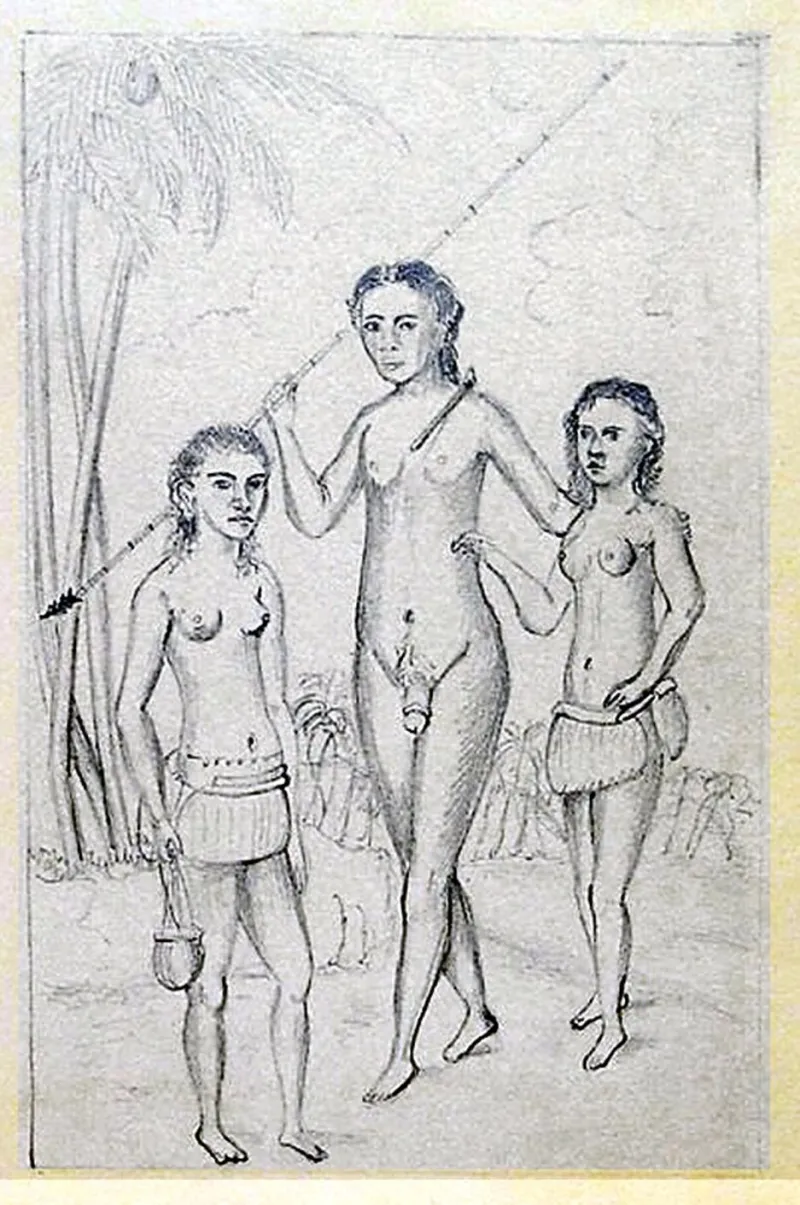
Photo: Gre123gr, CC0, via Wikimedia Commons
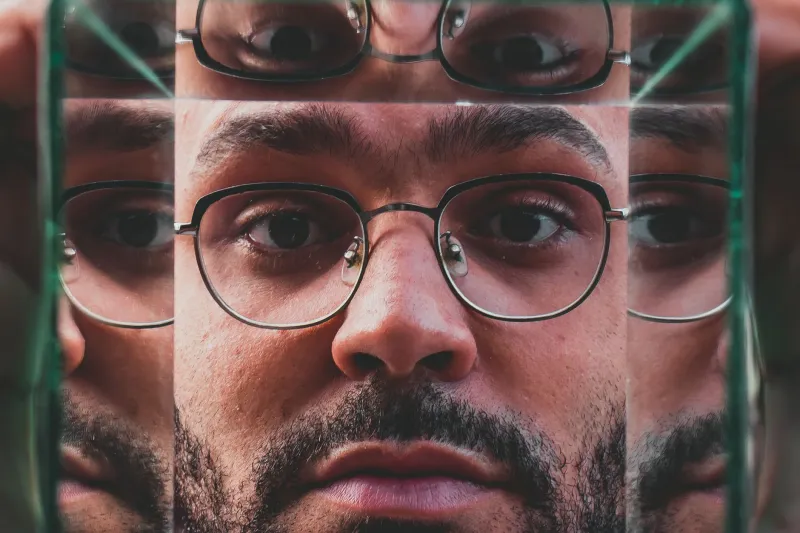
Open LinkedIn and you will meet a version of yourself that is very good at bullet points. Open Instagram and you will meet a version that has a color palette. Ask an AI tool to summarize you and you will meet a version that is crisp, tidy, and suspiciously confident. None of these versions are lies, exactly. They are just edited.
Somewhere along the way, we started treating the searchable version of a person as the real one. The bio became the identity. The grid became the personality. The resume became the self. And in 2026, with AI summaries and profile generators getting better every few months, it is easier than ever to flatten a whole human into a handful of keywords.
A brand is a front porch, not a house
Personal branding advice usually begins with a harmless question: What do you want people to know about you? The trouble is the follow-up: What do you want them to find? Once you start writing for search, you start sanding off the parts that do not fit a keyword. You leave out the contradictions. You drop the hobby you are bad at. You turn a messy opinion into a clean take. You become legible. And legible is not the same as true.
The internet is a matching engine. It wants to know what to do with you. Are you a founder, a creative, a wellness person, a finance person, a dog parent, a runner? Pick a lane. Make it a hashtag. The algorithm does not need your whole self. It needs a signal.
Instagram aesthetics turn taste into a visual signature. LinkedIn turns work into a highlight reel. Dating apps turn a life into a prompt response. AI profile summaries turn all of it into a paragraph that sounds like you but has never met you.
What gets lost when everything is optimized
When you optimize for being found, you also optimize for being easy to sort. The weird stuff goes first. The unfinished stuff goes next. The parts of you that do not perform well in a search result get folded into something more presentable. That is not a moral failure. It is just what happens when a personality becomes a product.
But a life is not a landing page. Some of the most important parts of you are not searchable because they are not meant to be found by strangers. They are meant to be found by you.
Some things should stay unindexed
Think about the song you replay when you need to feel something. The half-finished essay in your notes app. The friendship that does not need a caption. The Sunday morning version of you who has not brushed their hair and is not trying to be anyone. These are not secrets. They are private. There is a difference.
Privacy is not a hiding place. It is a room with a door. You get to decide who comes in.
The unsearchable audit
Here is a simple exercise. Grab a piece of paper or open a blank note. Make three columns: Public, Private, Unclaimed.
In the Public column, list the parts of your identity you are happy to have searchable. Your job, your side project, your love of hiking, whatever. No judgment.
In the Private column, list the parts you want to keep for yourself or a small circle. The thing you are writing, the weird collection, the belief you are still testing.
In the Unclaimed column, list the parts you have not decided about yet. The hobby you have not shared. The opinion you are not sure you want to defend. The version of you that only shows up when no one is watching.
Then ask three questions about each item. Would I be okay seeing this in an AI summary? Would it survive being turned into a keyword? Who is this for — me, or the version of me I think other people want?
Pick one thing from the Private column and keep it off the internet for a month. Not because the internet is evil. Because you are allowed to have a life that is not an open tab.
Less searchable, not less visible
This is not an argument for disappearing. You do not have to delete your accounts or go off the grid or pretend you are too mysterious for a LinkedIn bio. The point is simpler: do not let the searchable version of you become the only version you believe in.
You can have a profile and a private life. You can be findable and still have places in yourself that are not indexed. You can be a person, not a search result.
At You or Me, the whole idea is discovering who you are, not optimizing who you appear to be. So leave something off the internet. Let a few parts of you stay blurry. The real ones usually do.